How to Balance Yield and Protein in Wheat

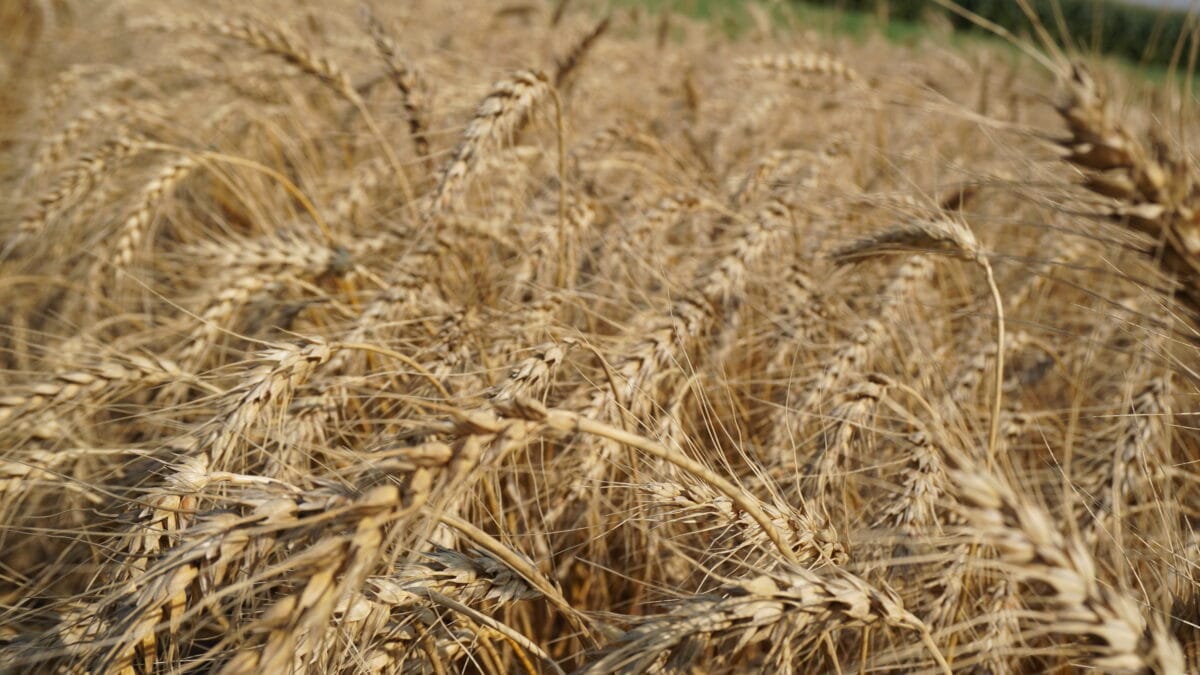
Every wheat season reminds us that yield and protein don’t always move in the same direction, and 2025 was a clear example of that balancing act playing out across our region.
From an agronomic standpoint, this was a year where environment drove outcomes more than any single management decision. Cool, wet conditions early slowed crop development in many areas, while timely moisture later helped push yield potential. The challenge came when those same conditions made it harder to maintain protein without sacrificing bushels.
What We Saw in the Field
 Across our wheat trials and grower fields, yield potential was generally solid. Many varieties handled early stress better than expected and responded well once conditions improved. However, protein levels were more variable than usual, even within the same field or geography.
That variability reinforces something we talk about often: wheat management is rarely one-size-fits-all. Nitrogen timing, weather during grain fill and variety selection all played a role in determining whether a field leaned toward yield or protein—or managed to strike a balance between the two.
Yield vs. Protein: Why It’s a Tradeoff
Physiologically, wheat prioritizes yield first. When conditions favor rapid growth and grain fill, protein can be diluted unless nitrogen availability and timing are aligned correctly. In 2025, extended cool periods followed by favorable moisture created scenarios where yield kept climbing, but protein lagged behind expectations.
That doesn’t mean protein management failed. It means the environment shifted the equation.
What This Means for 2026
The biggest takeaway from 2025 is the importance of intentional management. If protein premiums matter for your operation, nitrogen timing and form deserve as much attention as rate. Late-season N strategies can help, but they’re still dependent on the weather cooperating.
From a product perspective, variety selection also matters. Some lines consistently hold protein better under high-yield conditions, while others are clear yield drivers. Knowing which option you’re putting on each acre, and why, becomes even more important in years like this.
Final Thoughts
2025 reinforced that wheat success isn’t about chasing a single metric. The most successful acres were managed with flexibility, local data and realistic expectations about what the season would allow.
As we head into 2026, our focus remains the same: match the right variety and management strategy to each field, using what we’ve learned from previous seasons to make smarter decisions moving forward.
Question to Ask Before Choosing a Wheat Variety
- Am I targeting yield, protein or both?
- Do my varieties match that goal?
- Is my nitrogen plan flexible enough for weather shifts?