
Northern vs. Western Rootworm: Why Species Matters for Corn Management

Two species of corn rootworm (CRW) exist in the northern plains: northern and western. While both can have a significant impact on your corn crop, there are important differences between them. Much like corn diseases, increases in corn acres and changes in weather conditions have influenced CRW populations across our region.
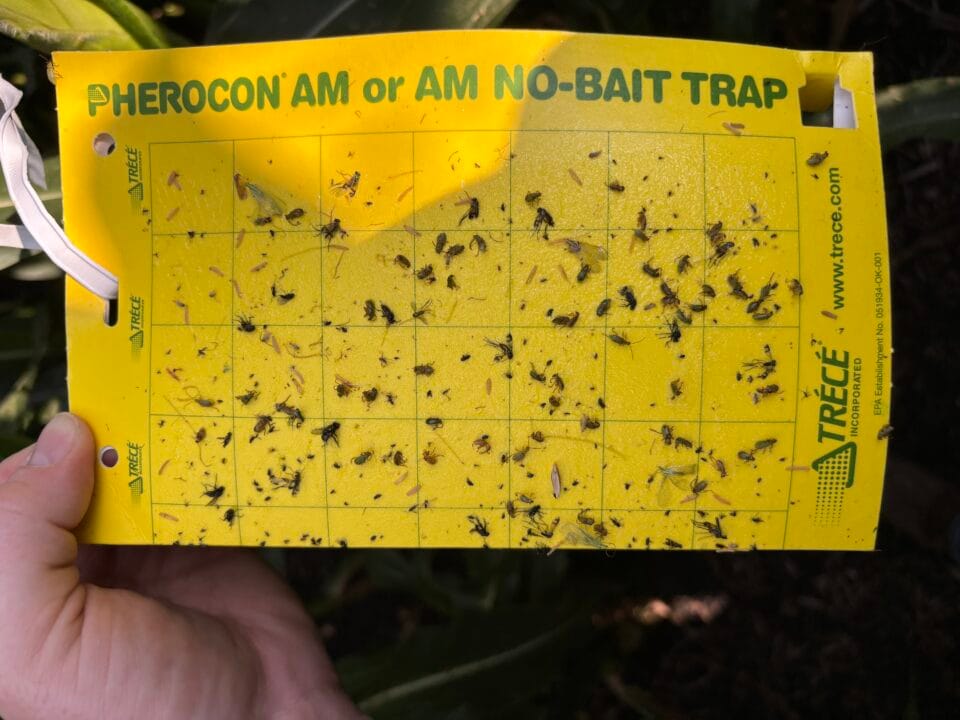
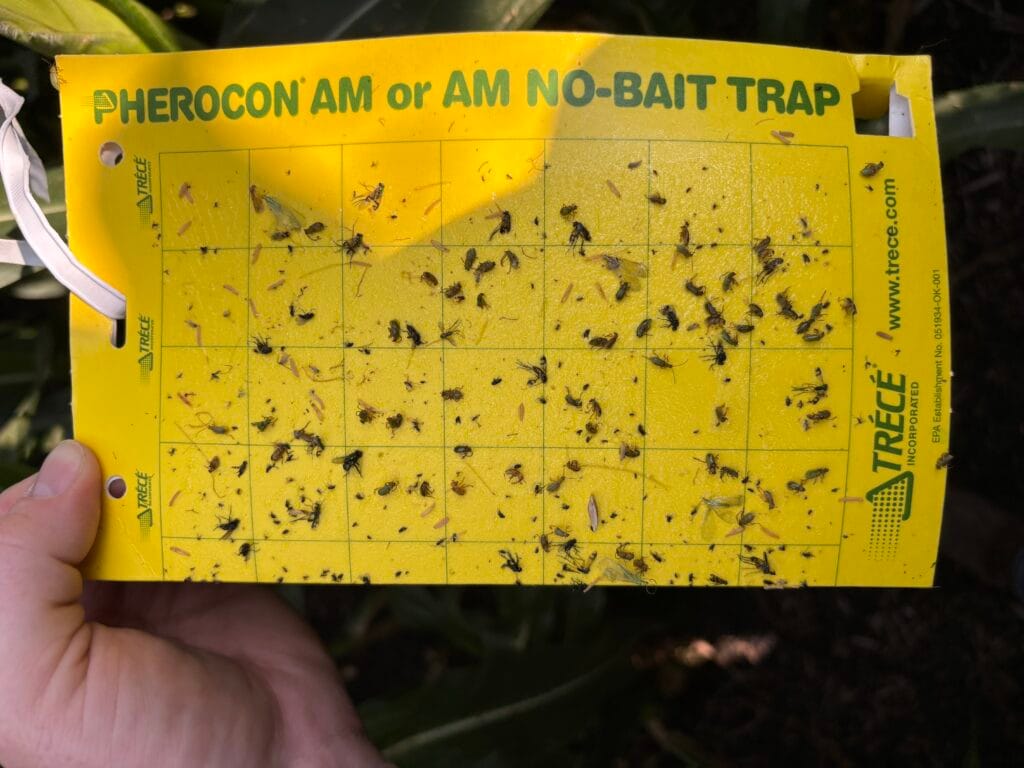
In 2025, the Peterson agronomy team launched a corn rootworm trapping effort across central and western Minnesota, northeast South Dakota and southeastern North Dakota. Our counts showed the vast majority (over 90%) were northern rootworm beetles. That information matters because it helps guide more effective management decisions.
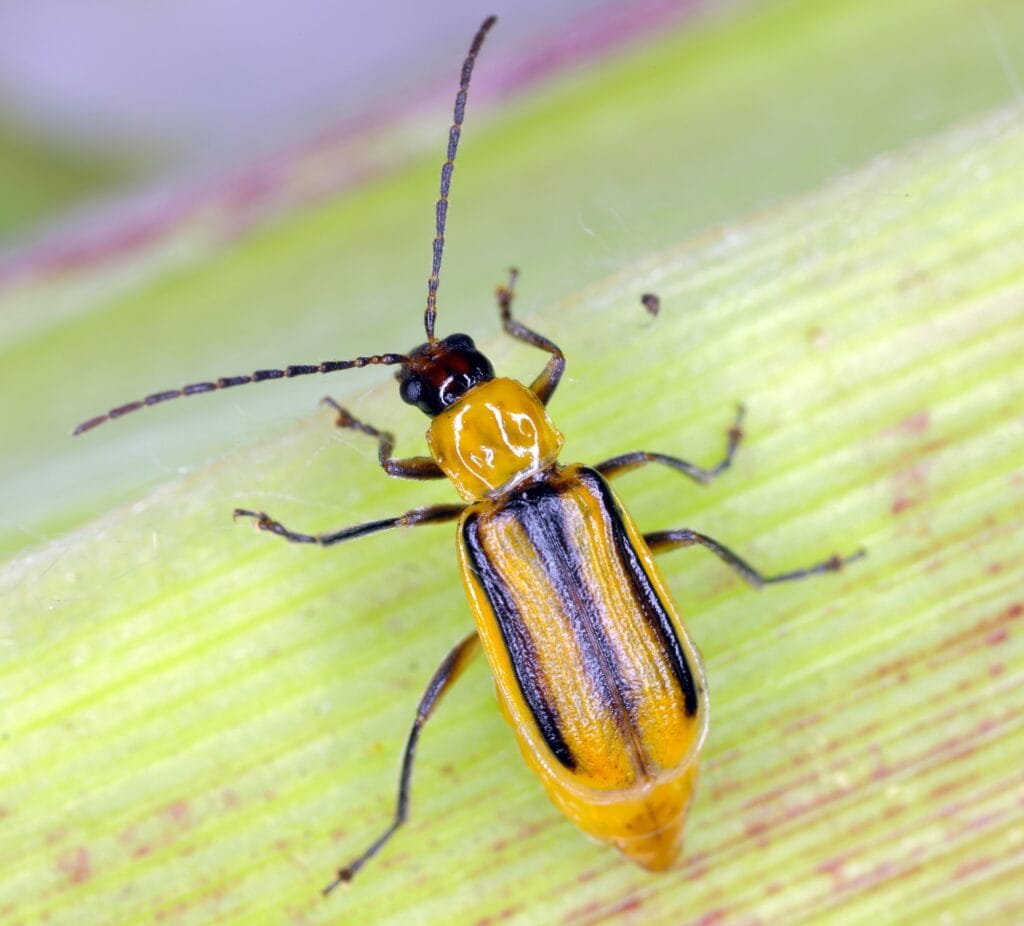
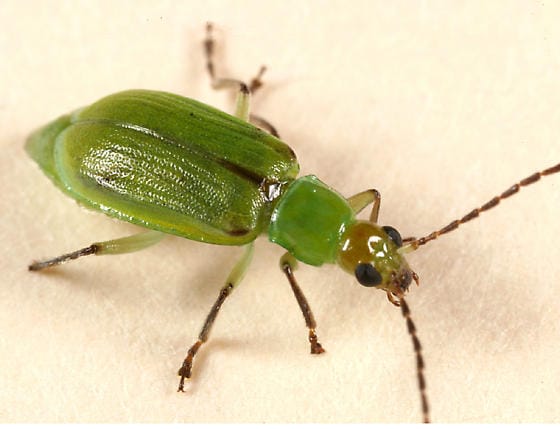
Northern CRW typically are slightly smaller than the western CRW. Northern beetles tend to be greenish in color, while westerns are more yellow with distinct black stripes on their wings. Female northern beetles are usually slightly larger than males. Larvae of both species are difficult to distinguish, but separating larvae by species isn’t critical for management decisions.
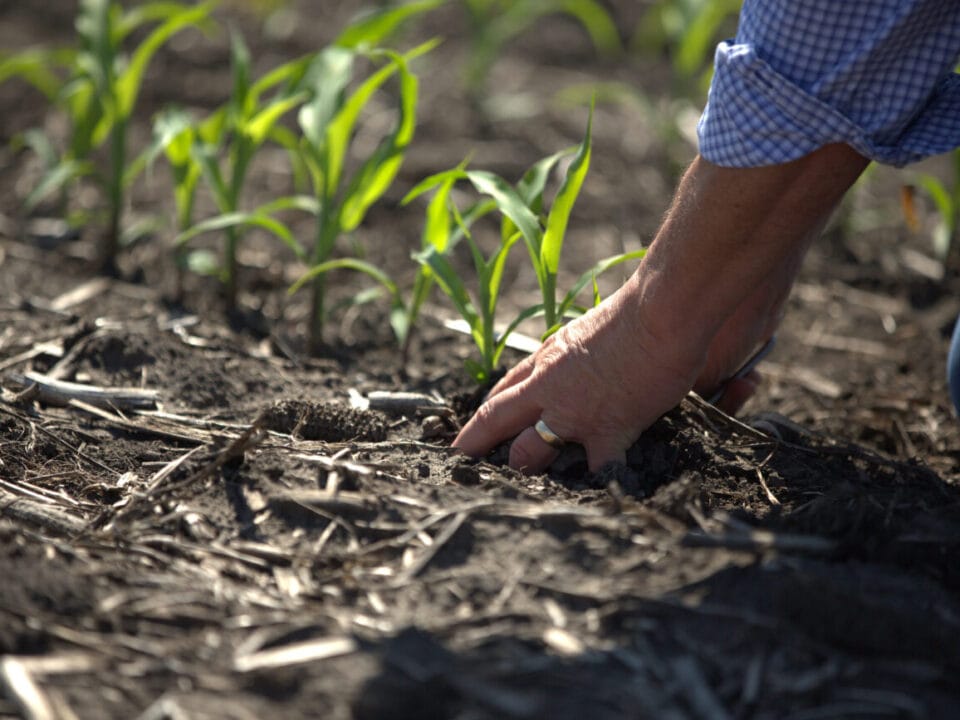
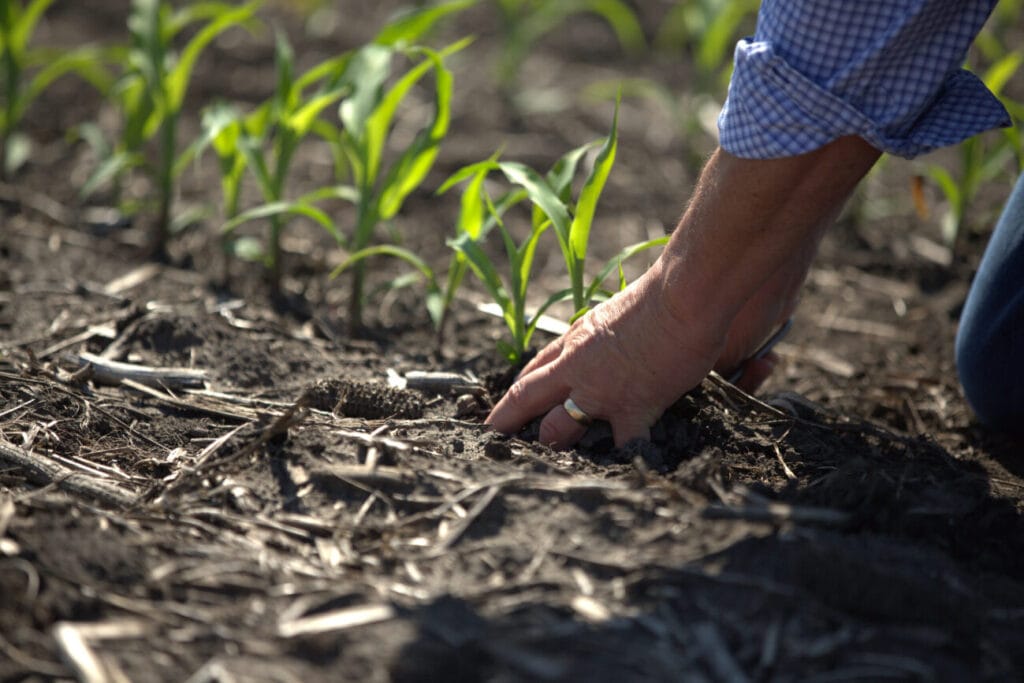
Both northern and western CRW complete one generation per season. Eggs overwinter in the soil and begin hatching in early June. Newly hatched larvae are attracted to corn roots, where they feed while progressing through three larval stages, or instars, before pupating. Male beetles typically emerge in early July, followed by females 5-7 days later. Females begin laying eggs about two to three weeks after emergence, with peak egg-laying beginning in August.
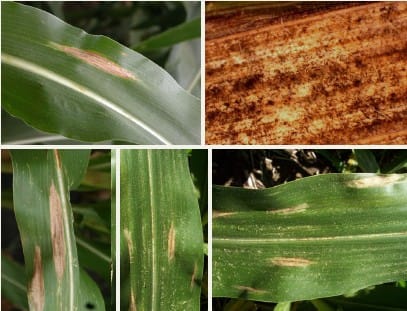
Adult beetles feed on pollen and green silks, a process known as silk clipping. When beetle populations are high, silk clipping can interfere with pollination and reduce yield. If trap counts reach approximately two beetles / trap / day, an application of an insecticide may be warranted.
One key difference between the two species is extended diapause, which occurs in northern CRW. Extended diapause allows a portion of eggs to survive through two winters and an intervening growing season before hatching. As a result, root feeding can occur in first-year corn, even when rotation should have reduced risk. This has been documented in Minnesota, Iowa, Wisconsin, South and North Dakota.
Both species are highly mobile and can move between fields in search of food. Late-planted or later-maturing fields can attract beetles and increase pressure. Volunteer corn, grasses and ragweed can serve as a bridge between crops, reinforcing the importance of strong weed control in non-host crop years.
Of the two species, western CRW generally cause more damage at lower population levels.
Management Considerations
Once CRW is confirmed in a field, several management strategies may be considered. The simplest and most effective is switching to traited corn. In-furrow or seed-applied insecticides may also be appropriate in certain situations.
Under extremely high populations, foliar insecticides at pollination may be needed to reduce silk clipping and egg laying. Longer crop rotations can also help manage CRW populations.
Ultimately, it may be less important to know which species is present than to know that CRW pressure exists. Trapping and monitoring remain essential tools for developing an effective management strategy.
During the 2026 growing season, Peterson agronomists will be teaming up with NDSU Extension to provide a more robust trapping and monitoring network.
If you have questions about corn rootworm pressure or management options, talk with your local Peterson team member. That’s exactly what we’re here for.
NORTHERN CORN ROOTWORM
- Bright yellow-green color and approximately ¼ inch long
- Extended diapause common in northern geographies
- More prevalent across our footprint
- Primary damage occurs from larval feeding on root hairs and root tissue (mid-June to mid-July), limiting water and nutrient uptake
- Adults may clip silks and interfere with pollination
- Overwinters as eggs and progresses through 3 larval instars in spring

Northern Corn Rootworm
WESTERN CORN ROOTWORM
- Yellow to orange-brown color with three distinct stripes (most visible on females)
- Similar life cycle to northerns, but no known extended diapause
- Typically more aggressive root feeding
- Can feed on other grass species and weed pollen (e.g., foxtail)
- Less common in northern regions
- Pressure most often tied to continuous corn

Western Corn Rootworm