Soybean Aphid Control: When Spraying Pays and When It Doesn’t

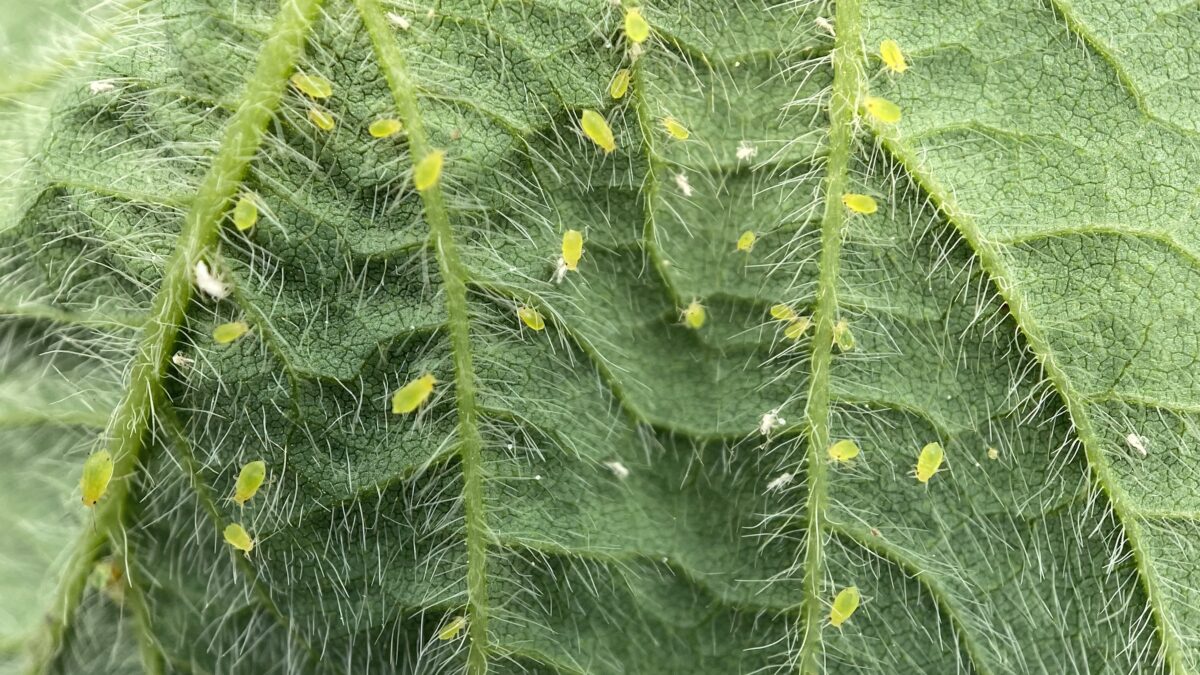
 Aphid pressure in 2025 was scattered and inconsistent, but the economics remained the same across every field I walked: with soybean prices low, threshold discipline mattered more than ever.
Across the region, a few clear patterns emerged. The highest aphid pressure showed up in dry pockets. In many cases, populations didn’t reach threshold until later in the season, when the return on an application is lower. At the same time, natural enemies played a bigger role than usual, largely because fewer growers made preventive insecticide passes.
Seed treatments with added insecticide, such as Peterson Select+, noticeably suppressed early populations. That early application bought growers time and allowed decisions to be made based on scouting rather than urgency.
When Spraying Paid
Even in a tight economic year, spraying absolutely paid in the right situations. Fields that were above threshold and still increasing, showed low predator activity and were pre-R5 often responded well to treatment; especially when application coverage was adequate. In those cases, protecting yield still made sense.
When Spraying Didn’t Pay

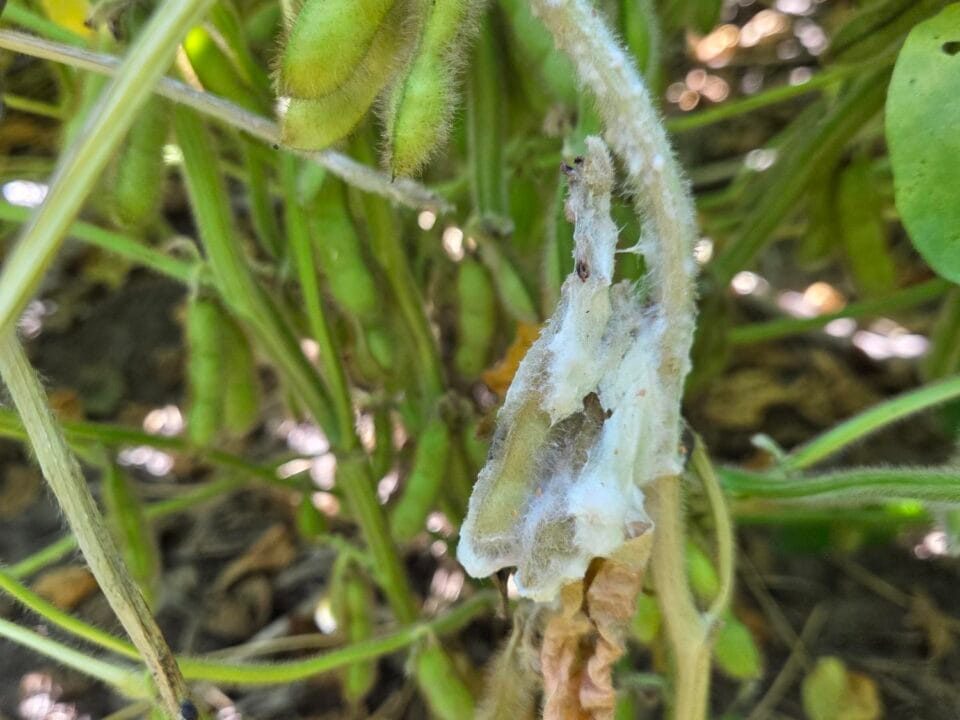
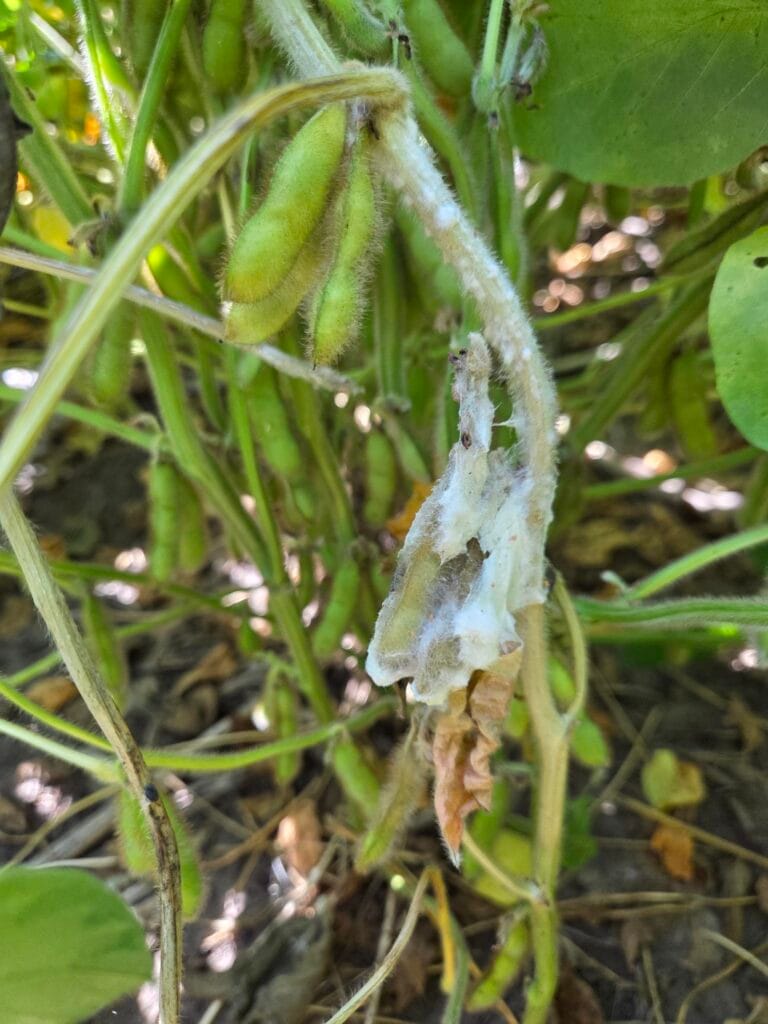
A ‘mummy aphid’ (above) is caused by a parasitic wasp laying an egg in the aphid which eventually will kill it.
In many other fields, spraying provided little or no return. Some never reached threshold. Others were already approaching R6, where yield protection is limited. In several cases, predator populations were high enough to slow or reverse aphid growth on their own. Dense canopies also reduced spray penetration, further limiting effectiveness.
Preventive pyrethroid applications were especially problematic. In multiple fields, those passes removed beneficial insects and led to aphid rebound later in the season.
Making Better Decisions in 2026
- Stick to the economic threshold. 250 aphids per plant on 80% of plants, with population increasing, is still the right number, especially in low-price years.
- Scout twice per week once aphids show up. Aphid populations can double quickly under the right conditions. Scout.
- Watch population direction. Stable or declining numbers don’t justify spraying.
- Don’t ignore predators. Lady beetles, hoverflies and parasitoids saved growers real dollars in 2025.
- Focus on coverage. If spray can’t penetrate the canopy, save the pass.
My Takeaway for 2026
Growers who scouted often and stuck to thresholds saved the most money in 2025. The most profitable decision in a low-price year is often to wait until the field really needs it – not to spray because someone down the road did.
Aphids are manageable. The key is scouting and timing, not reacting too early or too late.