
Understanding Soybean Structure: The Missing Piece in Variety Placement

When selecting soybean varieties, most of us start with yield potential and maturity. But after walking hundreds of fields and reviewing this year’s in-season and pre-harvest photos, one thing stands out: a soybean’s structure, or how the plant is physically built, has significant impact on performance, disease pressure and standability. Soybean structure is one of the most practical tools growers have for placing varieties more wisely.
Plant structure isn’t about liking one look over another; it’s about knowing how different physical characteristics interact with their environment.
What We Mean by “Plant Structure”
When we talk about structure, we’re considering characteristics that affect how the plant establishes and grows throughout the season, including:
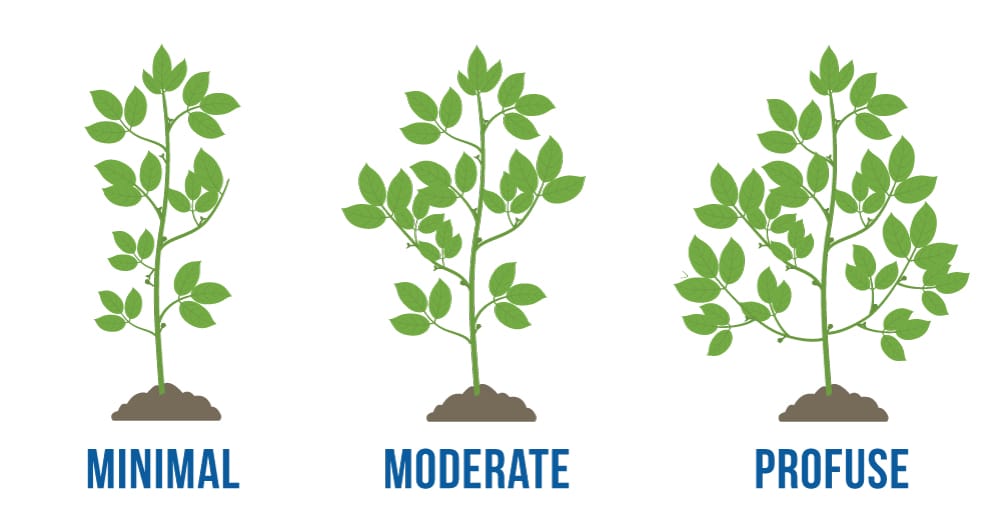
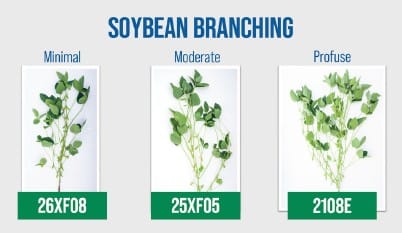
- Branching potential
- Canopy closure and height
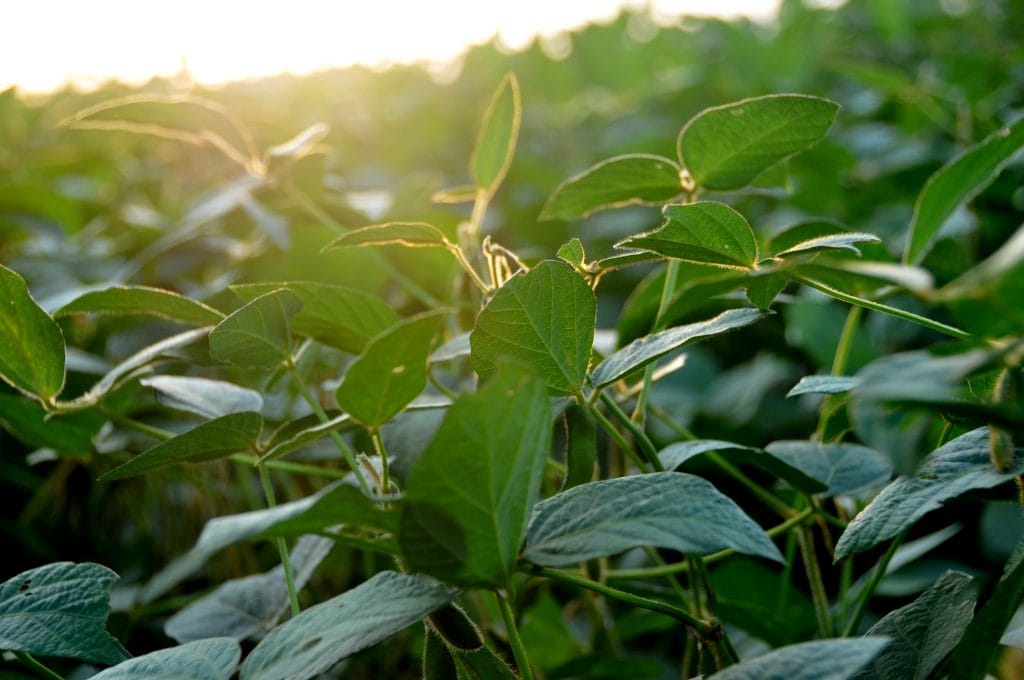
- Canopy density and airflow
- How the plant handles stressors like residue, disease and wind
Two varieties with similar yield potential but different structure can behave differently when under pressure in different environments.
 Why Structure Matters
 Why Structure Matters
Light interception, canopy closure and disease risk
Rapid canopy closure is great in the early part of the season for capturing sunlight and suppressing weeds, especially in wider row spacings. But in areas that regularly see diseases like white mold, a canopy that closes too quickly and stays dense can trap moisture, creating conditions favorable for disease development.
Standability and environmental stress
Plant structure influences how a variety stands under wind, rain and late-season storms. Taller, heavily branched plants can carry greater lodging risk, especially when paired with high fertility and less stressful growing conditions. More upright and compact plants often hold up better through harvest, but they can become too compact across variable soils and hilltops.
We saw clear examples of these differences in 2025. Western regions that are normally more arid and where farmers typically select larger, more aggressive plant types received more mid- and late-season rainfall than normal. That moisture unlocked impressive yield potential, but it also increased lodging risk. Areas that usually need aggressive structure for row closure and weed suppression saw almost Frankenstein-like soybean growth, which led to more lodging than expected.
It was another good reminder of why different regions tend to favor different plant types, and why matching structure to environment matters in many ways.
Check out the Peterson soybean lineup and sort by branching and canopy scores.
What 2025 Taught Us
In 2025, we noticed performance swings in parts of our geography that weren’t entirely predicted by yield data alone. Some varieties with a less-aggressive structure were better at handling increased disease pressure and bubbled to the top of yield monitors. Some of the local tried-and-true varieties may not have done as well.
When I hear those stories, I often ask the farmer “Well, what did you see this year that you don’t normally?” For 2025, especially in our western footprint, it was usually increased disease pressure. That often leads us to a conversation about the structure type of one variety versus another, and why, most years, they prefer the larger, more aggressive trusted line.
It’s important to remember that a single year isn’t a definitive trend. The results we saw reflect how structure interacted with local conditions and seasonal stressors we don’t normally encounter, underscoring why structure needs to be part of placement conversations.
These patterns are consistent with the idea that structure influences how a crop thrives in its environment, not just how it performs in isolation.
Practical Tips for 2026
The goal isn’t to pick “one structure fits all” varieties. It’s to match a variety’s structure to your field’s conditions and your management plan.
- Know your fields: Structures that are beneficial in wetter, cooler areas may be less important in well-drained ground with lower disease risk.
- Think beyond yield numbers: Yield potential is critical, but it doesn’t come with context. Structure gives clues about disease risk, residue handling, and standability.
- Use photos and scouting notes: Incorporate in-field photos from 2025 to compare how varieties with different structures behaved across stress gradients.
The Bottom Line
Soybean structure shouldn’t be a secondary tool for variety selection. It’s a practical lens through which performance differences can be interpreted – and that yield numbers alone can’t explain. When we understand how a plant grows, it can be placed more accurately and managed more confidently.
The 2025 season gave us some powerful insights about how plant structure interacts with the environment, disease and stress. That knowledge, combined with careful observation and variety placement, is one of the simplest ways to boost performance across acres in 2026.
Questions to Ask Before Choosing a Variety
- How aggressively do I want to reach row closure?
- How high is my disease pressure in an average year?
- Am I managing population between opposing issues, like IDC and white mold, and how can I use plant structure to help find a balance?
Check out the Peterson soybean lineup and sort by branching and canopy scores.